

News Summary
Nashville is facing a pressing health threat from Poison Hemlock, a highly toxic plant spreading in District 14. Councilman Jordan Huffman is advocating for immediate removal measures to protect residents and pets. The plant, known for its deadly effects if ingested, has been proliferating rapidly due to recent rainfall. Experts recommend the use of herbicides for effective control while emphasizing safe practices for manual removal to prevent exposure.
Nashville Councilman Takes Action Against Toxic Hemlock Spread in Davidson County
Nashville is facing a growing threat from Poisons Hemlock, a highly toxic plant found proliferating in District 14, primarily in areas like Donelson and Hermitage along Lebanon Pike, as well as in local parks and neighborhoods. The recent rainfall has accelerated the spread of this dangerous flora, prompting Councilman Jordan Huffman to advocate for its removal to safeguard the community’s health.
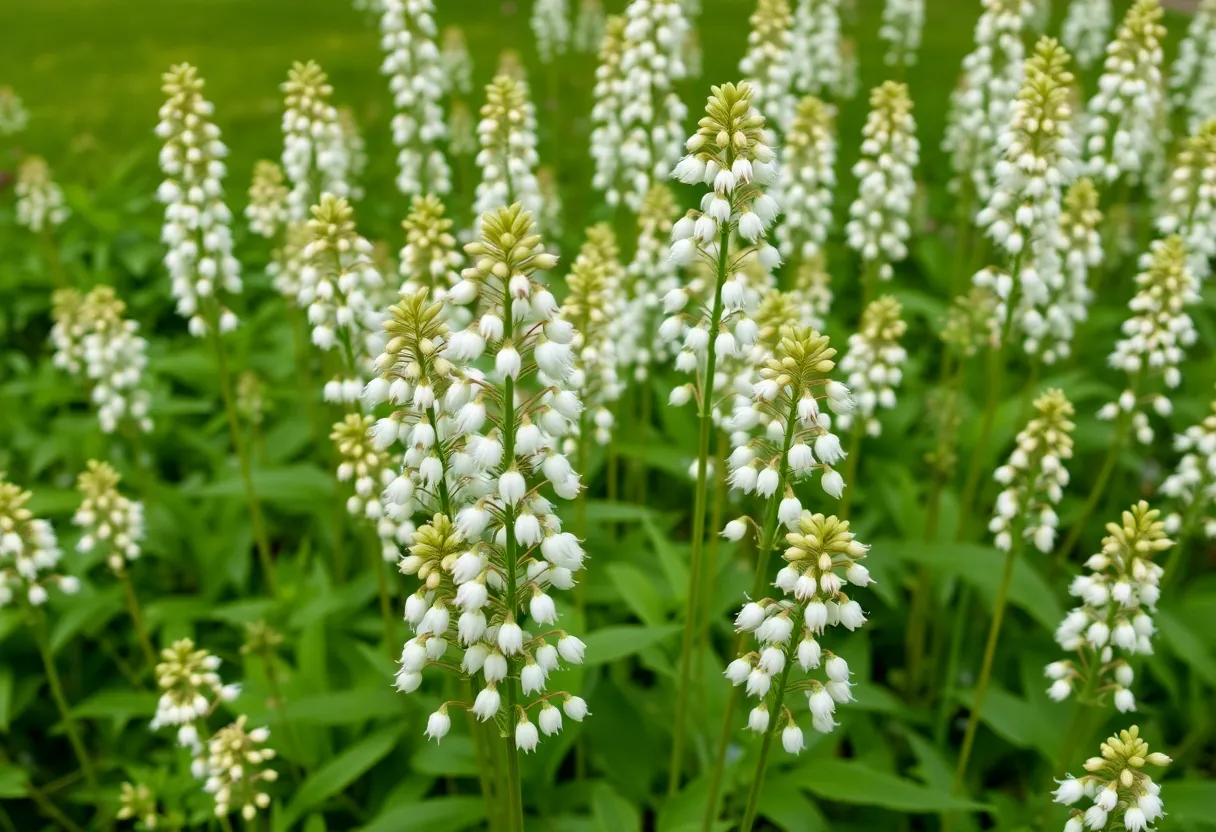
Poisons Hemlock, scientifically known as Conium maculatum, is notorious for its deadly effects if ingested. While the plant may appear attractive with its white flowers and tall stature—growing between 6 to 10 feet—it poses severe risks to both humans and animals. All parts of the plant are poisonous, particularly during the blooming stage, and just a small amount can lead to fatal consequences, including respiratory paralysis and muscle paralysis. Moreover, touching or inhaling particles from the plant presents additional health risks, particularly when cutting it.
Immediate Concerns and Action Steps
In light of these threats, Huffman has reached out to the Nashville Department of Transportation (NDOT) horticulture director to initiate an action plan against the hemlock spread. He is considering several methods for removal, including manual removal and the application of herbicides. Manual removal requires careful execution, involving the complete digging up or pulling out of the plant; however, Huffman has expressed doubt about the effectiveness of this approach given the hemlock’s extensive proliferation in the area.
Experts highly recommend the use of herbicides such as 2,4-D and dicamba for more effective control, especially when applied before the plant begins to flower. It is crucial that residents engage in safe practices while dealing with hemlock. Removal should be carried out with gloves to mitigate the risk of exposure, and any hemlock removed should be bagged carefully to prevent seed dispersal.
Identifying Poison Hemlock
Recognizing the characteristics of Poison Hemlock is essential to prevent accidental ingestion. The plant features hollow stems with distinctive purple spots and delicate leaves that resemble those of parsley. Its flowers, growing in clusters, add to its deceptive beauty. However, the dangers it presents should not be underestimated; children have tragically lost their lives after playing with homemade whistles crafted from the plant’s hollow stems.
Background on Toxic Hemlock in Tennessee
The Tennessee Department of Agriculture has issued warnings about the rapid spread of Poison Hemlock throughout the state, emphasizing the need for immediate intervention to curb its proliferation. Despite the plant not causing a physical reaction upon touch, the real danger lies in ingestion. Communities across the state are now on high alert as local governments, including the officials in Nashville, scramble to address the potential health risks posed by this toxic plant. The push for a coordinated response is critical as both residents and pets are at risk from the plant’s harmful effects.
As efforts to eradicate Poison Hemlock in Davidson County continue, it remains vital for community members to stay informed about identifying the plant and understanding the necessary precautions to take if they come across it. The situation emphasizes the importance of vigilance and community cooperation in dealing with the threat of toxic flora in Nashville and beyond.
Deeper Dive: News & Info About This Topic
HERE Resources
Additional Resources
- WKRN: Poison Hemlock Removal Push by Councilman
- WKRN: This Highly Toxic Plant is Spreading in Tennessee
- Rocket City Now: Tennessee Warns of Deadly Poison Hemlock Plant
- Beacon Journal: Plant Lovers Almanac – Poison Hemlock
- WKRN: Poison Hemlock Spreading Fast in Tennessee
- Wikipedia: Poison Hemlock
- Google Search: Poison Hemlock Tennessee
- Encyclopedia Britannica: Poison Hemlock
- Google Scholar: Poison Hemlock


Author: HERE Nashville
The NASHVILLE STAFF WRITER represents the experienced team at HERENashville.com, your go-to source for actionable local news and information in Nashville, Davidson County, and beyond. Specializing in "news you can use," we cover essential topics like product reviews for personal and business needs, local business directories, politics, real estate trends, neighborhood insights, and state news affecting the area—with deep expertise drawn from years of dedicated reporting and strong community input, including local press releases and business updates. We deliver top reporting on high-value events such as CMA Fest, Bonnaroo Music & Arts Festival, and Nashville Pride Festival. Our coverage extends to key organizations like the Nashville Area Chamber of Commerce and Nashville Health Care Council, plus leading businesses in healthcare, automotive, and technology that power the local economy such as HCA Healthcare, Bridgestone Americas, and Asurion. As part of the broader HERE network, including HEREBristol.com, HEREChattanooga.com, HEREKnoxville.com, and HEREMemphis.com, we provide comprehensive, credible insights into Tennessee's dynamic landscape.