
Nashville, TN, September 4, 2025
Nashville offers a variety of local energy programs to help residents and short-term renters reduce energy waste and lower monthly bills. Programs range from free attic insulation and volunteer weatherization for eligible households to low-interest loans and rebates for heat pumps and efficient water heaters. Residents can also access workshops, DIY kits, in-home audits, balanced billing, and options to buy renewable electricity. Many initiatives target older adults and low-income households, while others provide financing or technical support for homeowners who want bigger upgrades. Review eligibility rules and program terms to find the best savings route.
Nashville Homes Get Smarter: How Local Energy Programs Can Shrink Your Bills
Quick take for Nashvillians and visitors who rent short-term stays
If you live in Nashville or stay here for a while and want to stop getting shocked by power bills, there are a bunch of local energy programs aimed at cutting household energy waste and making homes more comfortable. This guide breaks down the options in plain language — who they help, what they cover, and how they could affect your monthly costs.
What these programs aim to do
The suite of programs focuses on three basic goals: lower energy use, better home comfort, and access to cleaner energy choices. Some help people on tight budgets, others offer loans or rebates, and a few hand out free kits and advice you can use yourself.
Programs that help people on limited incomes or older residents
There are targeted initiatives that provide energy efficiency and weatherization upgrades for qualifying households. These upgrades typically include attic insulation, sealing leaks, and fixing basic efficiency problems that let heat out in winter and let cool air leak in during hot months. For older residents, there are programs that can provide free attic insulation and installation to improve comfort and reduce heating and cooling costs.
Community-funded and donation-style support
One neighborhood-friendly program lets customers round up their utility bills to the nearest dollar, sending the spare change to fund home energy upgrades for those who need help. It’s designed as an opt-out option for customers who prefer to contribute and direct funds toward local energy improvements.
Workshops, DIY tools, and in-home checks
If you like hands-on learning, free energy workshops teach simple ways to cut usage and offer small starter kits and personalized action plans. There are also paid in-home energy evaluations that give a deeper audit of problems and suggest upgrades — and sometimes connect you to rebates or financing if you decide to make bigger changes.
Financing and rebates for bigger upgrades
For homeowners aiming for more ambitious savings, several programs offer low-interest loans or long-term financing to cover heat pumps, insulation projects, and other energy-saving retrofits. Some programs also include rebates on new electric water heaters and other upgrades that can reduce utility bills substantially over time.
Volunteer-driven and free-install opportunities
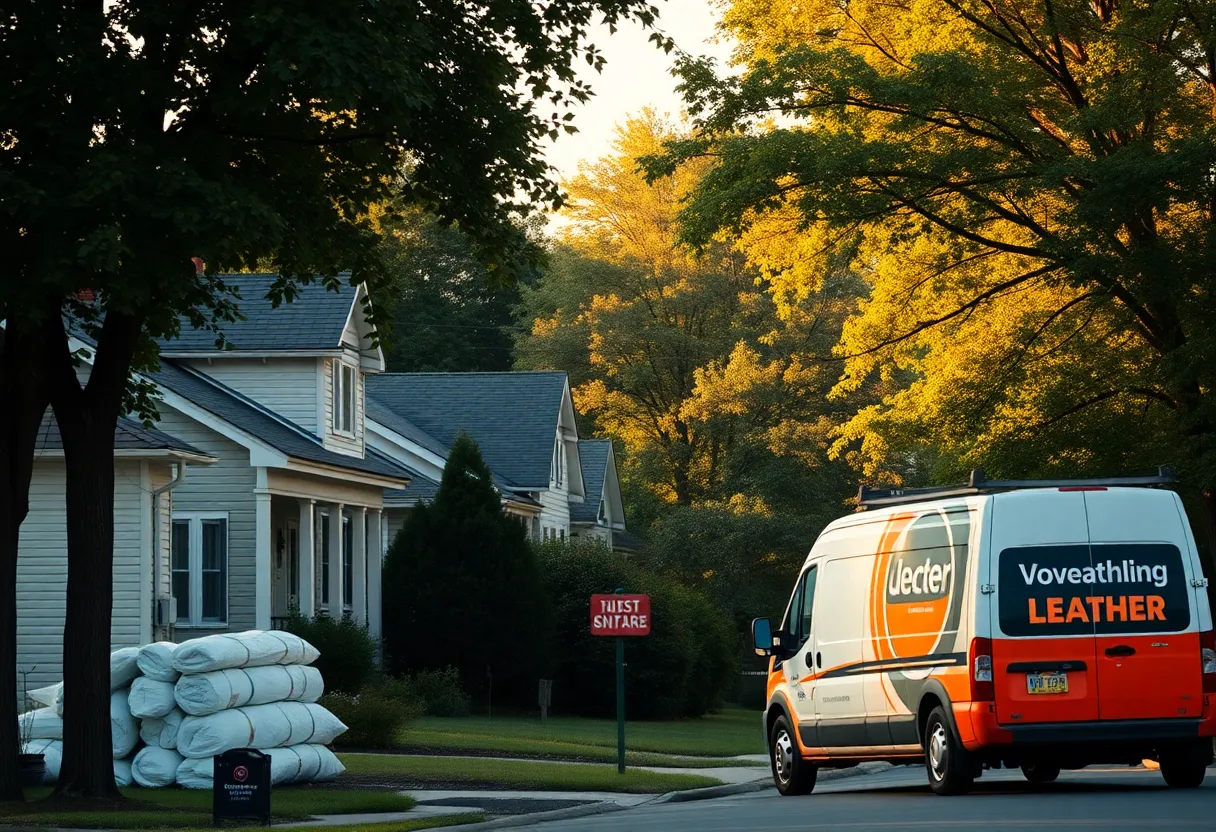
There are volunteer programs that perform energy-saving changes at no cost for eligible homeowners. Typical work includes installing attic insulation, swapping in energy-efficient lighting, and sealing obvious drafts — tasks that can make a noticeable difference in monthly bills.
Renewable choices and small-scale generation support
For people who want cleaner electricity, customers can opt to buy renewable electricity generated by wind and solar. There are also technical supports and incentives for homeowners who install their own solar systems or other small-scale renewable generation.
Tools to help you manage bills
Practical tools include balanced billing to smooth monthly payments, online bill analyzers that show where your usage happens, and calculators that estimate potential savings from upgrades. These tools are useful whether you live here year-round or are renting a short-term place and want to avoid surprises.
Tax credits and extra savings
Homeowners can also look into federal tax credits for energy-efficient appliances and certain home improvements. When combined with rebates and low-interest financing, tax credits can make big upgrades more affordable.
Who benefits most
– Long-time Nashville households with older homes that leak heat or cool air.
– Older adults on fixed incomes who qualify for free insulation efforts.
– Homeowners wanting to upgrade systems like heat pumps and water heaters using low-interest loans.
– Renters and short-term visitors who want to use DIY tips or balanced billing to control monthly costs.
What to watch out for
Some programs require proof of eligibility, an application, or a small fee for an in-home audit. Financing and rebates often come with program-specific rules, so review the fine print before committing. Workshops and volunteer events can have limited capacity, and renewable purchase options may slightly change billing statements.
Bottom line
Nashville has a variety of practical, mostly non-commercial options to help lower energy use and bills. Whether you’re a local homeowner looking for long-term upgrades or a visitor renting for a season, simple changes and program resources can make your stay more comfortable and less expensive.
Frequently Asked Questions
Q: Who can get free attic insulation?
A: Certain programs provide free attic insulation for qualifying residents, often prioritizing older adults and limited-income households. Eligibility rules apply and program capacity may be limited.
Q: Are there loans available for major upgrades like heat pumps?
A: Yes, low-interest loan options exist for eligible homeowners to finance energy-saving upgrades, sometimes with additional rebates for qualifying equipment.
Q: What if I just want quick tips to lower my bill?
A: Free workshops, online self-audits, and starter energy-saving kits can help you find immediate, low-cost ways to cut usage, like adjusting thermostat settings and sealing drafts.
Q: Can renters use these programs?
A: Some resources like workshops, bill analyzers, and DIY kits are available to renters. Larger upgrades and loans usually require homeowner participation or landlord approval.
Q: Do these programs support renewable energy?
A: There are options to purchase renewable electricity and programs that offer support for homeowners installing small-scale solar or other renewable generation systems.
Quick Visual Chart: Key Features at a Glance
| Feature | Who it’s for | Typical benefit | Cost to participant |
|---|---|---|---|
| Home energy weatherization | Limited-income households | Lower heating/cooling bills | Often free for eligible homes |
| Free attic insulation for seniors | Residents 60+ | Improved comfort and savings | Free if eligible |
| Low-interest retrofit loans | Homeowners | 15%+ energy cost reduction | Loan payments required |
| Heat pump financing & rebates | Homeowners replacing HVAC | Lower energy use long-term | Financing + possible rebates |
| Workshops & DIY kits | Renters and homeowners | Immediate small savings | Usually free |
| Renewable electricity purchase | Any customer | Support clean energy | Extra monthly charge possible |
If you call Nashville home or plan to stay a while, these programs can make a real difference in comfort and costs. Check eligibility details carefully and use the free tools and workshops if you want quick wins without a big commitment.
Deeper Dive: News & Info About This Topic
HERE Resources
What to know before booking Conrad Nashville: real costs, dining & late-checkout hacks
Davidson County Nashville schools: compare zones, test scores & commute before you move
Austin Peay State University Nashville campus jobs that pay well — where to apply
Trump Celebrates Tax Bill at Iowa Rally, Plans Unveiled for 250th
Music and Hope Unite for Breast Cancer Awareness in Nashville
Nashville Begins Annual School Budget Process with Community Input
Vanderbilt Commodores Prepare for NCAA Tournament Showdown
Exploring Vanderbilt University’s Academic Journey

Author: HERE Nashville
The NASHVILLE STAFF WRITER represents the experienced team at HERENashville.com, your go-to source for actionable local news and information in Nashville, Davidson County, and beyond. Specializing in "news you can use," we cover essential topics like product reviews for personal and business needs, local business directories, politics, real estate trends, neighborhood insights, and state news affecting the area—with deep expertise drawn from years of dedicated reporting and strong community input, including local press releases and business updates. We deliver top reporting on high-value events such as CMA Fest, Bonnaroo Music & Arts Festival, and Nashville Pride Festival. Our coverage extends to key organizations like the Nashville Area Chamber of Commerce and Nashville Health Care Council, plus leading businesses in healthcare, automotive, and technology that power the local economy such as HCA Healthcare, Bridgestone Americas, and Asurion. As part of the broader HERE network, including HEREBristol.com, HEREChattanooga.com, HEREKnoxville.com, and HEREMemphis.com, we provide comprehensive, credible insights into Tennessee's dynamic landscape.